← Back to Home The House of O & K

Optimism & Kindness

A Comprehensive Resource Guide

May Your Compass Always Point True North

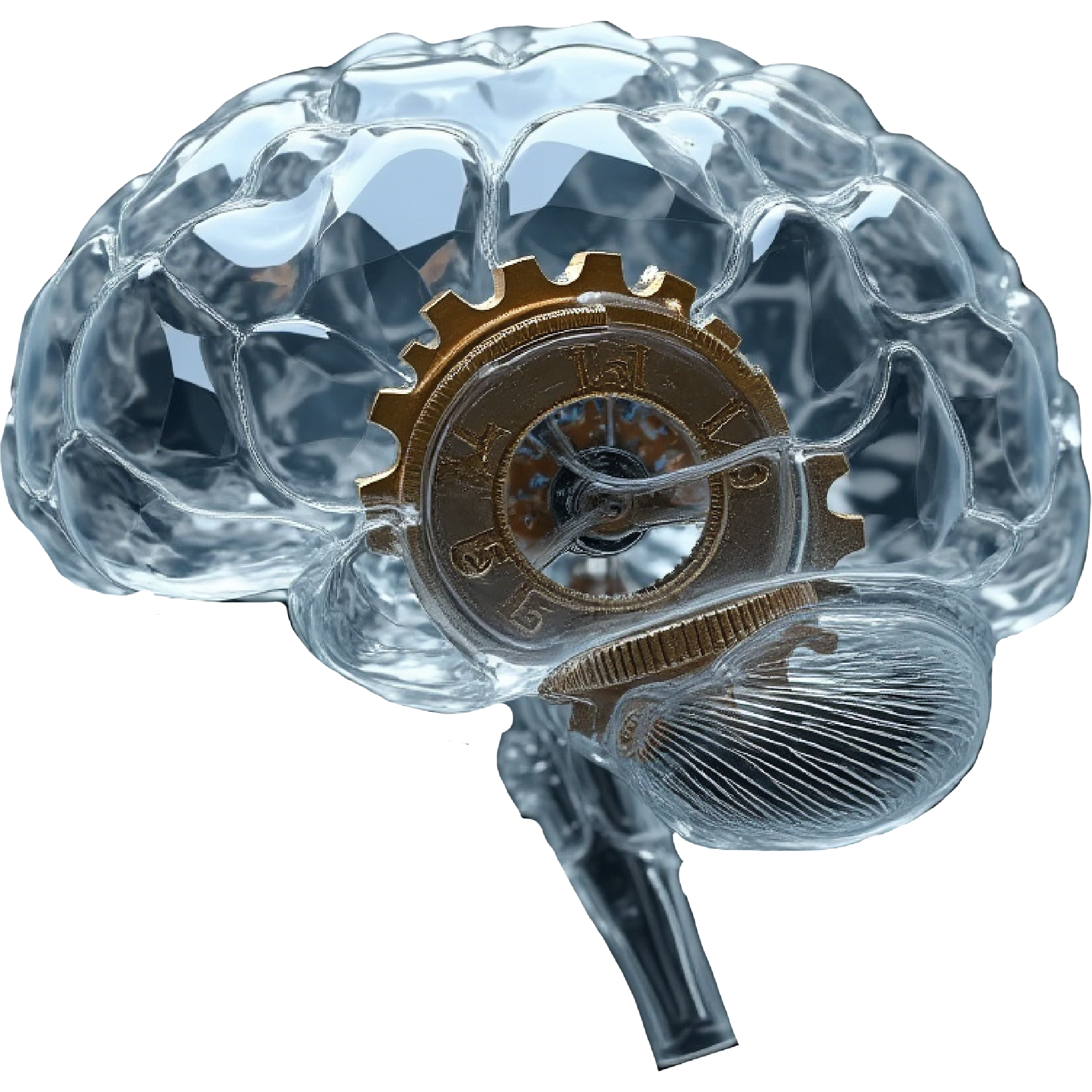
Brain Icon

The Psychology of Optimism

What is Optimism?

Optimism is characterized as a positive approach to life that influences how individuals perceive and interpret events. Optimists typically maintain a belief in the potential for positive outcomes, often viewing negative experiences as rare and external rather than personal failures.

Source: Research from the National Institutes of Health (PMC) and University of Pennsylvania positive psychology studies.

Key Research Findings

Health Benefits:

  • Longevity: Optimists live 11-15% longer than pessimists on average
  • Cardiovascular: 35% lower risk of cardiovascular events
  • Immune System: Better immune function and lower blood pressure
  • Stress: Reduced cortisol (stress hormone) levels
  • Disease: Slower disease progression and better quality of life
Sources: Harvard University study by Lewina Lee analyzing 69,744 participants; PNAS 2019 study on optimism and longevity; Mount Sinai Hospital meta-analysis by Dr. Alan Rozanski reviewing 229,391 participants.

Mental Health Benefits:

  • Lower rates of depression and anxiety
  • Better coping strategies during stress
  • Greater resilience and emotional well-being
  • Improved sleep quality
  • Higher life satisfaction
Source: Multiple studies from Greater Good Science Center (UC Berkeley) and positive psychology research.

Three Key Differences: Optimists vs. Pessimists

According to Dr. Martin Seligman, father of positive psychology:

  1. Permanence: Optimists see problems as temporary; pessimists see them as permanent
  2. Pervasiveness: Optimists see problems as specific; pessimists see them as affecting everything
  3. Personalization: Optimists attribute problems to external causes; pessimists blame themselves
Source: Seligman, M.E.P. (1990). Learned Optimism: How to Change Your Mind and Your Life. Vintage Books.
Heart Icon

The Psychology of Kindness

What is Kindness?

Kindness is defined as being friendly, generous, and considerate—the quality of showing compassion and care toward others without expecting anything in return. According to Dr. Jennifer Mascaro, genuine compassion includes "an awareness of another's suffering, a benevolent emotional response to this suffering, and a desire or motivation to help relieve that suffering."

The "Helper's High"

When people engage in kind acts, they experience what is known as the "helper's high"—a feeling of euphoria resulting from helping others. This occurs because performing acts of kindness triggers the release of:

  • Dopamine - Associated with pleasure and reward
  • Serotonin - The mood stabilizer promoting calm and confidence
  • Oxytocin - The "love hormone" enhancing trust, empathy, and connection
  • Endorphins - Natural pain killers
Source: Dr. Bhawani Ballamudi, SSM Health; Research published in Journal of Experimental Psychology (2018).

The Contagious Nature of Kindness

Research by Dr. Jonathan Haidt, professor of psychology at NYU, shows that seeing someone help another person creates a state of "elevation"—that warm, uplifting feeling in the presence of awe-inspiring goodness. This elevation then inspires us to help others, creating a chain reaction of giving.

Social scientists James Fowler (UC San Diego) and Nicholas Christakis (Harvard) have demonstrated that acts of generosity and kindness beget more generosity in a chain reaction of goodness.

Sources: Haidt, J. (2003). Elevation research; Fowler & Christakis studies on social contagion of kindness.

Research Articles

Science Icon

Scientific Research & Studies

Major Research Institutions

Harvard University

Research led by Lewina Lee analyzing 69,744 women showing optimists live 11-15% longer. Harvard Health studies on kindness and well-being.

University of Pennsylvania

Dr. Martin Seligman's extensive research on learned optimism and positive psychology. Studies showing optimistic students exceed academic expectations.

Mount Sinai Hospital, New York

2019 review by Dr. Alan Rozanski comparing 15 studies with 229,391 participants. Found 35% lower risk of cardiovascular events in optimistic individuals.

Greater Good Science Center (UC Berkeley)

Ongoing research on compassion, kindness, and positive psychology. Studies on elevation and the contagious nature of kindness led by Dr. Dacher Keltner.

Book Icon

Essential Books

"Learned Optimism: How to Change Your Mind and Your Life"

By Dr. Martin E.P. Seligman

The foundational text on optimism by the father of positive psychology

Available on Amazon

Key Topics:

  • Understanding explanatory style
  • Breaking the "I-give-up" habit
  • ABC techniques for changing negative thoughts
  • How to teach optimism to children
  • The relationship between optimism and health, success, and happiness

Other Recommended Books:

  • "Authentic Happiness" by Dr. Martin E.P. Seligman
  • "The Optimistic Child" by Dr. Martin E.P. Seligman
  • "Flourish" by Dr. Martin E.P. Seligman (2011)
  • "The Biology of Kindness" by Immaculata De Vivo and Daniel Lumera
  • "Mindset: The New Psychology of Success" by Carol Dweck
💬

Famous Quotes & Sayings

On Optimism

"Optimism is the faith that leads to achievement. Nothing can be done without hope and confidence."
— Helen Keller
"A pessimist sees the difficulty in every opportunity; an optimist sees the opportunity in every difficulty."
— Winston Churchill
"Attitude is a choice. Happiness is a choice. Optimism is a choice. Kindness is a choice. Giving is a choice. Respect is a choice. Whatever choice you make makes you. Choose wisely."
— Roy T. Bennett
"Choose to be optimistic. It feels better."
— Dalai Lama
"Even the darkest night will end and the sun will rise."
— Victor Hugo

On Kindness

"No act of kindness, no matter how small, is ever wasted."
— Aesop
"Kindness is the language which the deaf can hear and the blind can see."
— Mark Twain
"If you want others to be happy, practice compassion. If you want to be happy, practice compassion."
— Dalai Lama
"A single act of kindness throws out roots in all directions, and the roots spring up and make new trees."
— Amelia Earhart
"Too often we underestimate the power of a touch, a smile, a kind word, a listening ear, an honest compliment, or the smallest act of caring, all of which have the potential to turn a life around."
— Leo Buscaglia
"Try to be a rainbow in someone else's cloud."
— Maya Angelou
🎯

Easy How-To's: Daily Practice

How to Practice Optimism

Morning Routine for Optimism (5 minutes)

  1. Start with Gratitude (2 minutes): Before getting out of bed, think of 3 specific things you're grateful for.
  2. Set a Positive Intention (1 minute): Choose one phrase for the day: "Today will bring good things"
  3. Morning Affirmations (2 minutes): Say: "I can handle what today brings," "I am capable and strong"

The ABCDE Model

By Dr. Martin Seligman - A powerful technique for changing pessimistic thinking:

  1. Adversity - Identify the challenging event
  2. Belief - Notice how you interpret the adversity
  3. Consequence - Observe the feelings and actions that result
  4. Disputation - Challenge negative beliefs with evidence
  5. Energization - Celebrate the positive feelings from successful disputation
Source: Seligman, M.E.P. (1990). Learned Optimism.

How to Practice Kindness

Easy Acts of Kindness - For Strangers

  • Smile at 5 people you pass today
  • Hold the door open and make eye contact
  • Give one sincere compliment
  • Thank someone doing a service job
  • Let someone go ahead of you in line

Think deeply about Loving-Kindness (5 minutes)

Research by Dr. Barbara Fredrickson shows this practice increases positive emotions and reduces depressive symptoms.

  1. Sit comfortably and close your eyes
  2. Think of yourself and say: "May I be happy, may I be healthy, may I be safe"
  3. Think of someone you love and repeat the phrases for them
  4. Think of someone neutral and repeat
  5. Think of all beings and repeat

The Daily Compass Check

Each morning or evening, ask yourself:

  1. Optimism Check: What's one thing I'm looking forward to? What challenge can I reframe as an opportunity?
  2. Kindness Check: Who needs kindness today (including me)? What's one specific kind thing I can do?
  3. True North Check: Am I being true to my values? Am I moving toward the person I want to be?
🔗

Additional Resources

Organizations

Random Acts of Kindness Foundation

Promotes friendlier society through acts of kindness, offers kindness ideas and stories.

Visit Website

Greater Good Science Center (UC Berkeley)

Research-based insights on compassion, kindness, gratitude, and well-being.

Visit Website

Further Reading Topics

  • Learned Helplessness - Understanding how pessimism develops
  • Growth Mindset - Carol Dweck's research on mindset and achievement
  • Gratitude Practice - The connection between thankfulness and well-being
  • Resilience - Building the capacity to recover from difficulties
  • Self-Compassion - Kristin Neff's research on being kind to yourself

Conclusion

The research is clear: optimism and kindness are not just nice qualities to have—they're essential for human flourishing. They improve our physical health, mental well-being, relationships, and overall quality of life.

"May Your Compass Always Point True North"

When we choose optimism and practice kindness, we find our true north—our authentic selves, our deepest values, and our unique purpose.

"Attitude is a choice. Happiness is a choice. Optimism is a choice. Kindness is a choice. Giving is a choice. Respect is a choice. Whatever choice you make makes you. Choose wisely."
— Roy T. Bennett

The House of O & K

May Your Compass Always Point True North

This resource guide was compiled with research from Harvard University, University of Pennsylvania, Greater Good Science Center (UC Berkeley), National Institutes of Health, and other leading institutions.

Key Contributors: Dr. Martin E.P. Seligman, Dr. Jonathan Haidt, Dr. Barbara Fredrickson, Dr. Dacher Keltner, Lewina Lee (Harvard), Dr. Alan Rozanski (Mount Sinai)

Return to Home

© 2026 The House of O & K, LLC